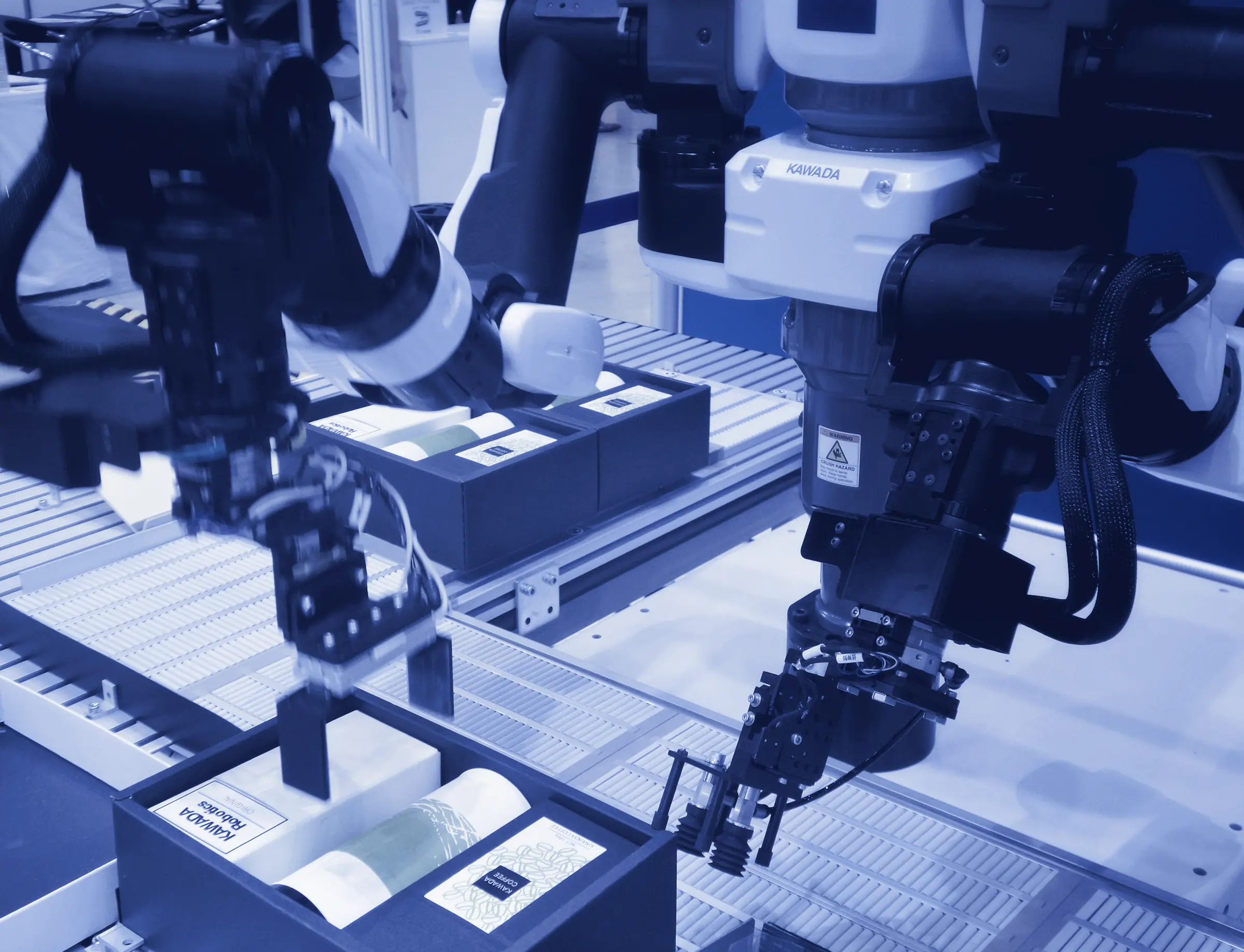
 When models reach the shop floorAI is moving into cameras, robots and devices. Where deployment in production and logistics makes sense, what's different from software and which obligations arrive from 2027.Physical AI & roboticsFurther reading
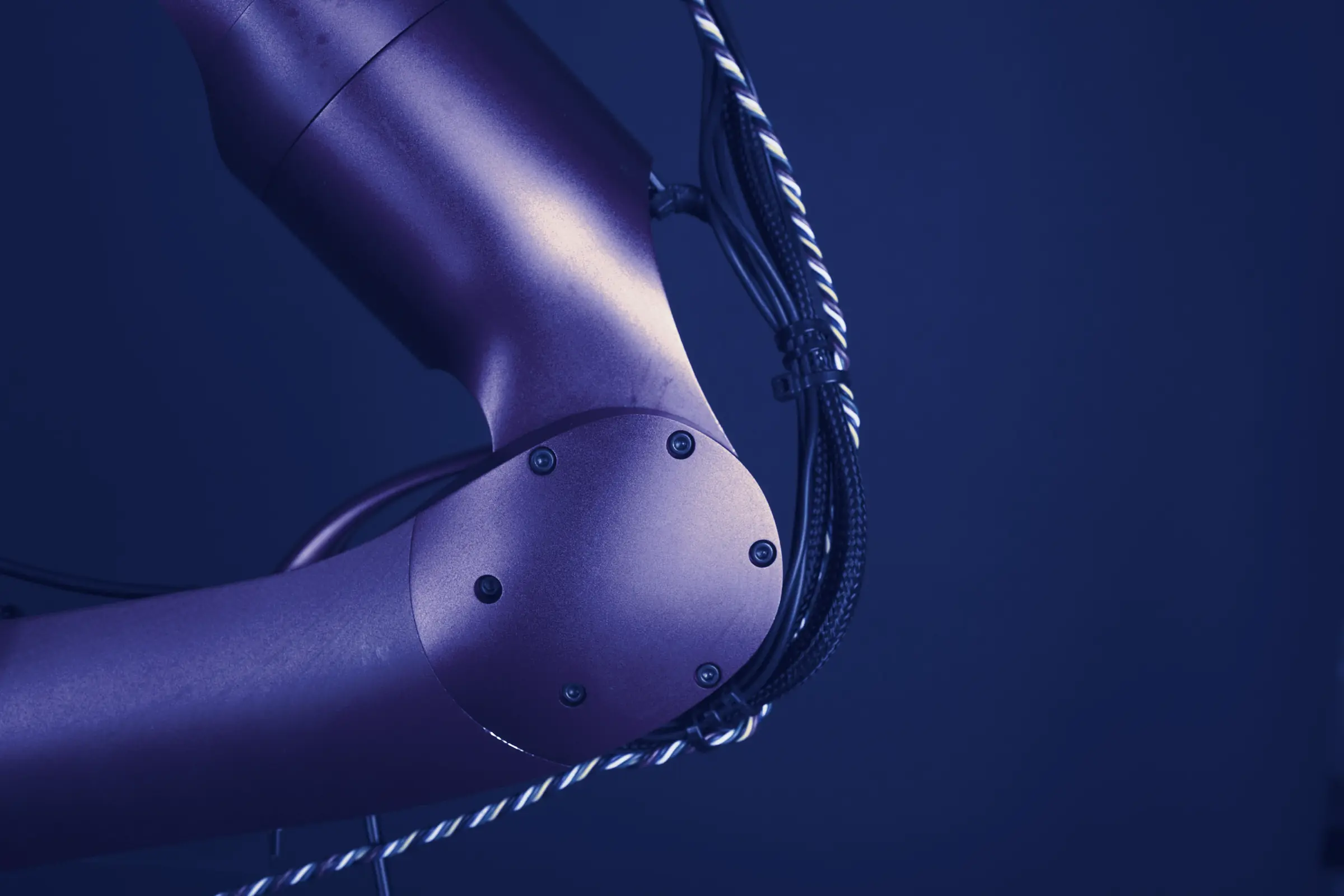
Topic · Physical AI & robotics
On the machine, what counts is what happens when something goes wrong.
Models are leaving the screen. In production, intralogistics and maintenance they analyse camera images and sensor data right at machines and devices.
What's new is that models can cope with variations that would stop a hard-programmed line. That brings tasks within reach where automation hasn't paid off so far, from visual inspection of varying parts to assistance in maintenance.
The path is more demanding than with pure software. An error on a machine can endanger people or damage material, and updates have to work while the line is running. Safety, real-time performance and the work of the people on the line therefore belong in the assessment from the start.
Context
What’s changing and how we see it
What changes in 2027 and 2028
From 20 January 2027 the Machinery Regulation (EU) 2023/1230 applies, replacing the previous Machinery Directive. For AI systems that are safety components of products under such EU legislation (Art. 6(1) and Annex I of the EU AI Act), the high-risk obligations apply from 2 August 2028 following the July 2026 amendment. Both dates belong in any plan that starts today, because conformity assessment and documentation take time.
Our view
We start with applications where an error is detected and caught before it causes harm, such as visual inspection on the line or assistance in maintenance. Interventions in the control of a plant we plan together with your automation partners. Our contribution is the assessment, the prototype and the question of how people on the line work with the system.
What matters
Ground rules
Use case before technology
First establish where the measurable benefit lies and what happens when something fails.
Home small
A well-defined deployment with clear criteria, before any investment is made.
Plan for operation
Maintenance, updates and training on the line are part of the solution.
Key questions
What you should clarify
Where does a first deployment make sense?
Where many identical checks are still done by hand or deviations are noticed late. A contained test with fixed criteria shows whether the required accuracy is achievable.
What happens when something goes wrong?
That has to be settled before the test. We define how an error is detected, who steps in and how the plant is brought into a safe state.
Edge or cloud?
Where responses are needed within milliseconds or images shouldn't leave the plant, the model runs on the device. For analysis across many plants, a central platform can make sense.
Who maintains the system in operation?
Your maintenance team or your automation partner, with a plan for updates, spare parts and training. We settle that before the investment.
How we help
Relevant capabilities
Insights
Related articles
When models reach the shop floorAI is moving into cameras, robots and devices. Where deployment in production and logistics makes sense, what's different from software and which obligations arrive from 2027.Physical AI & roboticsFurther reading Prototypes that force decisionsA good prototype answers a question you can't answer without it. Four rules and a one-page agreement make sure a decision is taken at the end.Generative AIFurther reading
 The bottleneck after the pilotAn AI solution can work technically and still change nothing. It only makes a difference once process, ownership and metric are settled before the pilot starts.AI & workFurther reading